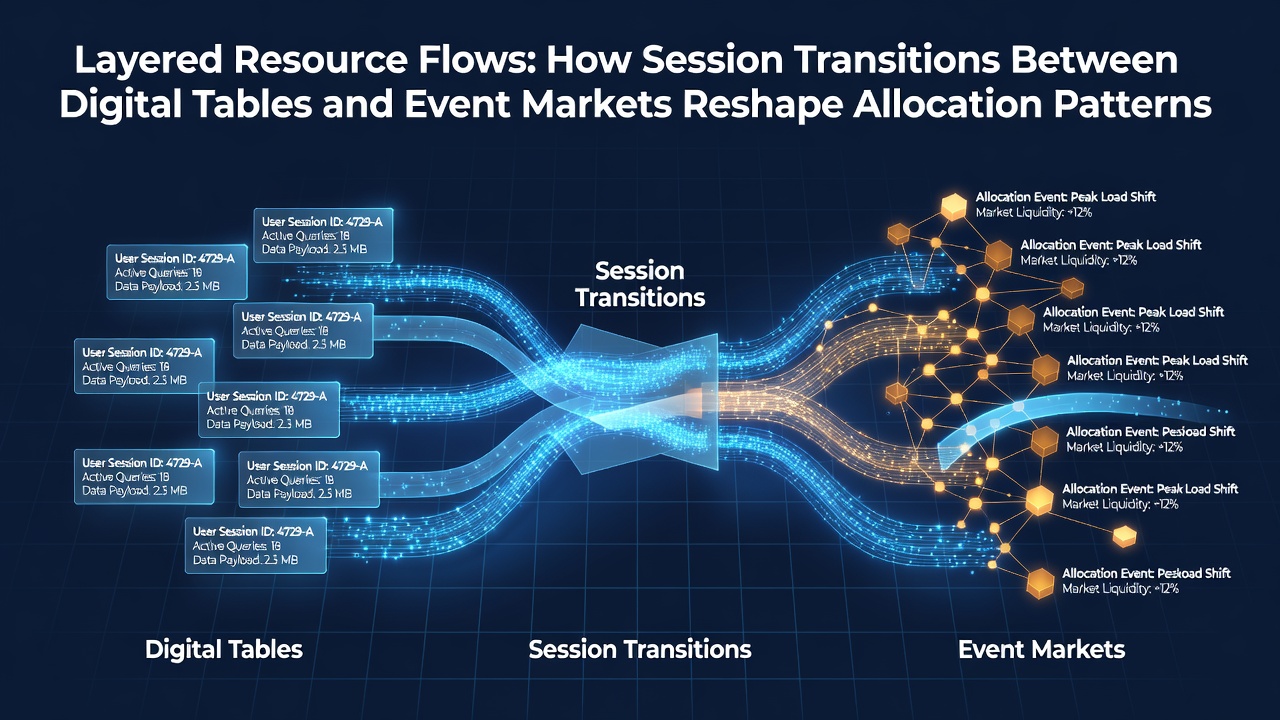
Digital Transitions Reshape Resource Patterns in Table Games and Event Betting
Players navigate between digital table environments and event-based betting platforms in patterns that alter how funds get distributed across sessions, and data from multiple jurisdictions track these movements with increasing precision. Studies from the University of Nevada's gaming research center show that users often begin with table-focused activities before moving into event markets, which leads to recalibrated stake sizes and timing decisions throughout a single engagement period.
Understanding Session Transitions in Multi-Platform Environments
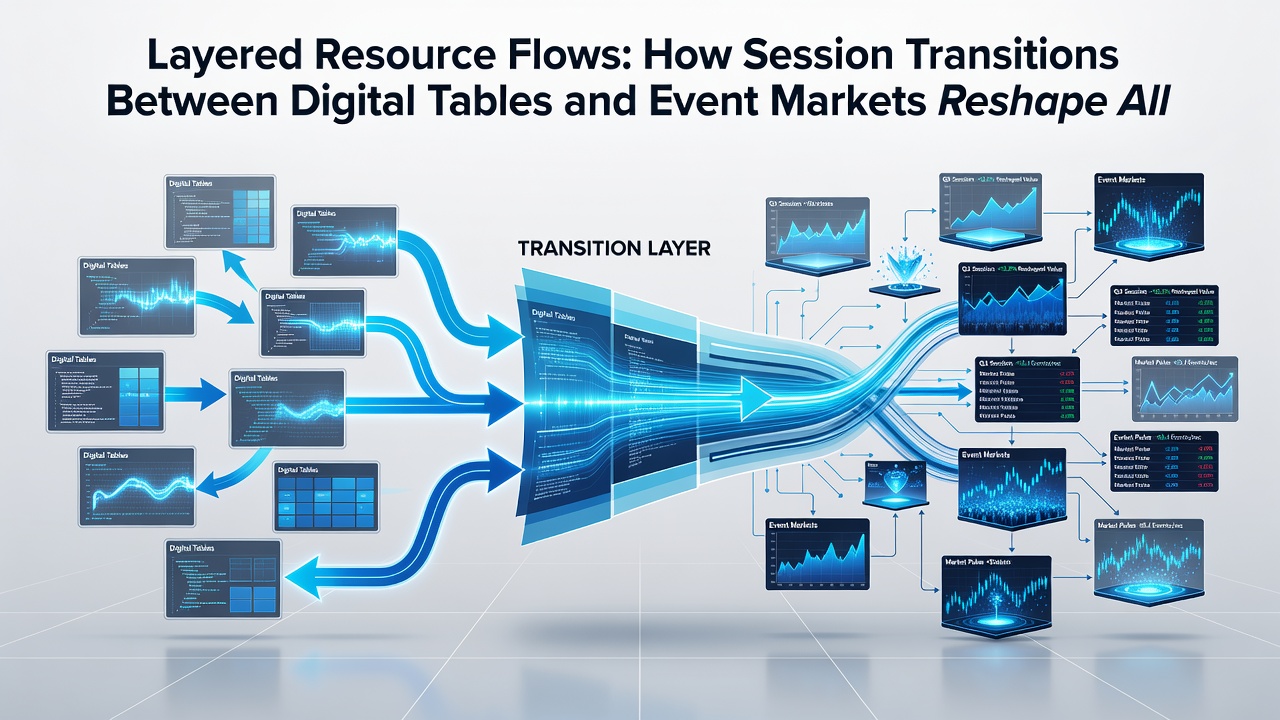
Digital table sessions typically involve structured rounds with defined start and end points, while event markets operate on external timelines tied to real-world occurrences. When participants shift from one to the other, allocation patterns adjust because table games demand consistent per-round commitments whereas event markets allow for variable positioning based on unfolding developments. Observers note that these transitions create layered flows where initial table allocations influence later event market entries, and vice versa, as remaining balances carry forward without reset.
Research indicates that such movements occur most frequently during evening hours when multiple event schedules overlap with table availability. Figures from North American operators reveal average session durations extend by 18 percent when users cross between these formats, because the change in pace encourages continued engagement rather than abrupt stops.
Allocation Adjustments During Format Shifts
Bankroll distribution changes measurably when sessions move across platforms. One analysis of Canadian provincial gaming data found that participants reduce individual table stakes by an average of 12 percent after entering event markets, reallocating portions to cover multiple simultaneous positions. This occurs because event outcomes introduce different risk intervals compared with the rapid resolution cycles of digital tables.
Key Factors Influencing Resource Layering
- Timing alignment between table round completions and event start windows
- Balance carryover mechanisms that preserve uncommitted funds across interfaces
- Platform-specific minimum thresholds that affect how remaining amounts get divided
- User preference data showing repeated cross-format sequences within single logins
Those patterns emerge consistently across operator reports from various regions. In June 2026, updates to Australian wagering frameworks highlighted similar behaviors in cross-platform usage statistics released by state regulators, confirming that transitions between table-style interfaces and event selections follow predictable sequences rather than random jumps.
Data Patterns from Industry and Academic Sources
Academic papers published in the Journal of Gambling Studies document how allocation layers form through repeated transitions. Researchers tracked user cohorts over six-month periods and identified that funds initially assigned to table activities often fragment into smaller event market positions after the first format change. This fragmentation appears in datasets from both European operators and U.S. state-licensed platforms, suggesting the behavior transcends single regulatory environments.
European Gaming and Betting Association summaries released in early 2026 further detail that average allocation per event position decreases when preceded by table sessions, while total positions per user increase. The net effect keeps overall committed amounts stable even as distribution spreads across more individual selections.
Platform Design Elements That Support Layered Flows
Interface features such as unified account balances and quick-switch navigation tools facilitate these transitions without requiring separate logins or fund transfers. Operators in multiple markets have implemented persistent balance displays that update in real time as users move between sections, reducing friction that might otherwise interrupt allocation adjustments. Data from these implementations show higher transition rates where such tools exist compared with segmented platform designs.
Session logs indicate that users who complete table rounds before checking event schedules maintain higher overall activity levels than those who begin with events. This sequence effect appears in aggregated records from North American and Australian sources alike, pointing to order as a variable that shapes subsequent resource distribution.
Conclusion
Session transitions between digital tables and event markets generate measurable shifts in how resources spread across available options. Records from academic centers, industry associations, and regulatory bodies in different regions document consistent patterns in allocation adjustments tied to format changes. These flows continue to evolve alongside platform capabilities that support seamless movement between activity types.