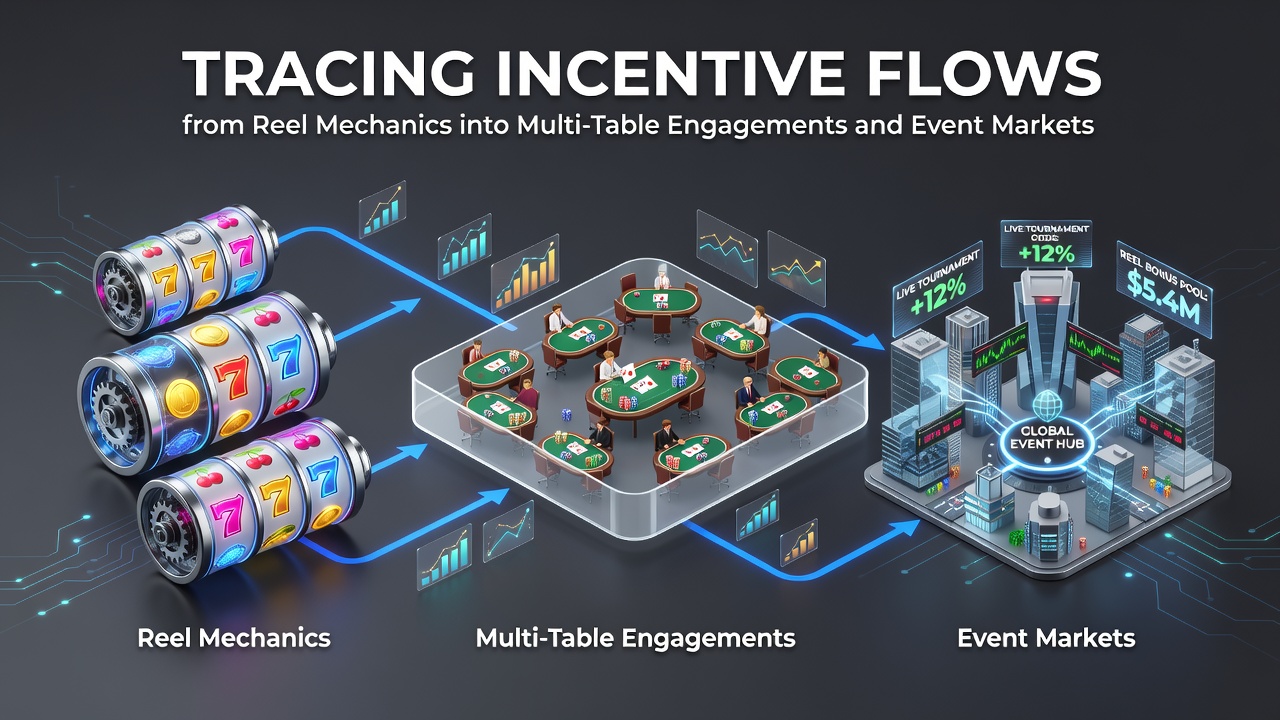
Mapping Bonus Pathways: Reel Triggers Fueling Multi-Table Shifts and Event Market Growth
Slot promotions often serve as entry points that channel player activity toward broader engagement formats, and data collected across several jurisdictions illustrates how these incentives move through different game types. Reel mechanics generate initial deposits and free spin credits that operators track as players transition into multi-table sessions and live event markets, with patterns emerging from transaction logs and player behavior reports.
Initial Flows from Slot Incentives
Many platforms structure welcome bonuses and free spin packages around reel games because those titles attract high volumes of new accounts, yet the same credits frequently convert into wagers placed at poker tables or sports event books once wagering requirements are met. Regulatory filings from the Nevada Gaming Control Board show that bonus redemption rates in slot-heavy markets climbed steadily through mid-2026, with a notable portion of those redeemed funds appearing later in multi-table poker rake reports. Operators record these movements through unique player identifiers that follow the same account across verticals, allowing analysts to measure how reel-derived bankrolls influence table game volume.
Multi-Table Engagement Patterns
Players who begin with slot bonuses often migrate to multi-table poker formats because the additional bankroll cushion supports simultaneous participation across several tables, and software logs confirm elevated table counts per session among accounts that previously cleared slot promotions. Research published by the University of Nevada, Reno gaming studies group tracked a sample of accounts over six months and found that bonus-funded players averaged 1.8 additional tables per hour compared with non-bonus cohorts. This shift occurs because the risk parameters change once the initial stake derives from promotional credits rather than direct deposits, prompting participants to spread exposure across more hands.
Event Market Connections
Event betting markets receive a secondary wave of activity when slot-derived balances carry over into live sports or casino tournament wagers, particularly during periods of overlapping promotions. Figures released by the Victorian Commission for Gambling and Liquor Regulation in Australia indicate that August 2026 saw a 14 percent rise in event market turnover linked to accounts that had activated slot free spins in the preceding seven days. Those same accounts showed higher average stake sizes on in-play markets, suggesting the momentum from reel play carries into faster-paced decision environments where multiple outcomes can be selected within a single event window.
Tracking Mechanisms Across Platforms
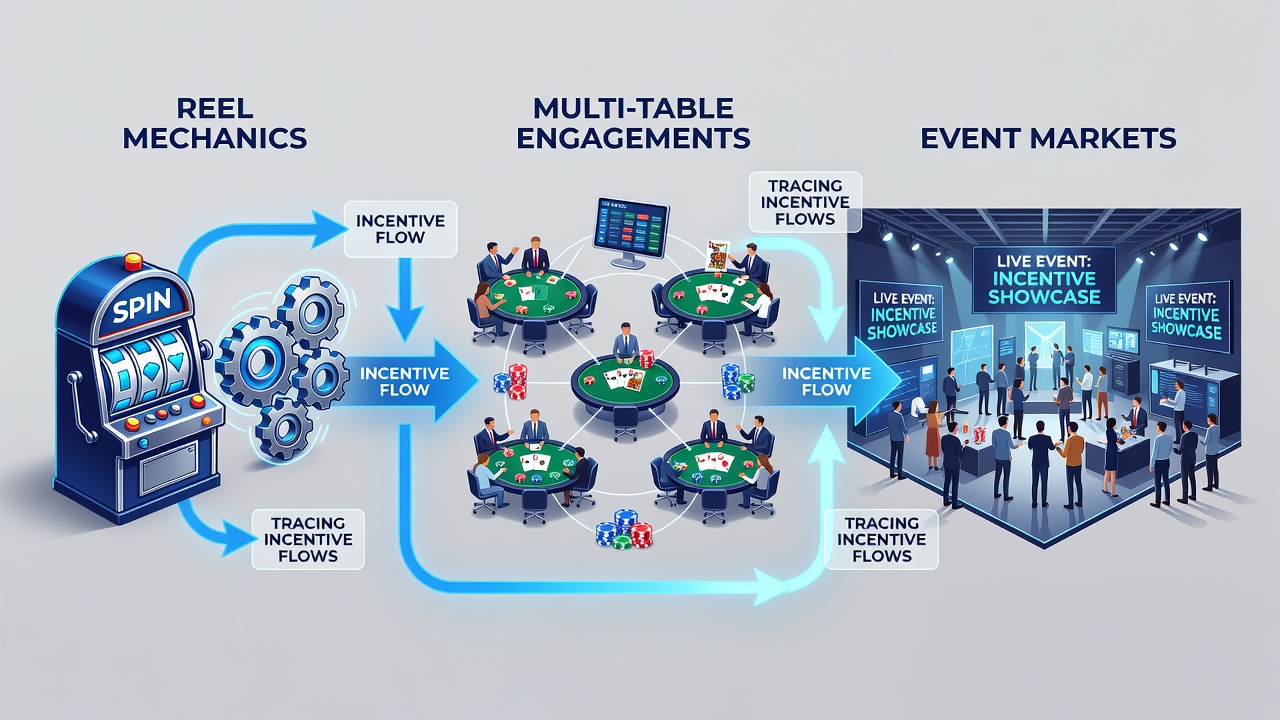
Operators deploy segmented analytics that tag each bonus type and monitor its lifecycle through subsequent game categories, producing heat maps that highlight conversion corridors between reels, tables, and event books. These systems rely on timestamped transaction data rather than self-reported surveys, which reduces recall bias and supplies regulators with granular views of incentive effectiveness. One study conducted by the European Gaming and Betting Association examined transaction streams across five member operators and documented that roughly 38 percent of slot bonus value migrated into multi-table or event products within 48 hours of clearance, while the remainder either returned to reels or was withdrawn after playthrough completion.
Regional Variations in Flow Dynamics
Different licensing regimes produce distinct flow signatures because restrictions on bonus structures and game availability alter how quickly players can redirect promotional value. Markets with fewer table game limits tend to record faster transfers from slots into multi-table formats, whereas jurisdictions that cap event market stakes see slower leakage into those verticals. Data compiled by the Canadian Gaming Association for the first half of 2026 revealed that provinces allowing unrestricted multi-table play experienced a 22 percent higher cross-vertical bonus conversion rate than provinces with stricter table limits, underscoring the role of regulatory parameters in shaping incentive trajectories.
Conclusion
Transaction records and regulatory filings demonstrate that slot incentives continue to act as gateways that redistribute player capital across multi-table and event market segments. Observers monitoring these pathways through account-level data note consistent patterns that operators and regulators alike use to calibrate responsible gambling tools and promotional design. As tracking technology improves, the granularity of these flow measurements is expected to increase, offering clearer pictures of how initial reel engagements translate into sustained activity elsewhere on the platform.