
Stricter UK Gambling Regulations Set to Squeeze Smaller Casino Operators with 2026 Duty Surge
The Wave of New Regulations Hits the UK Casino Landscape
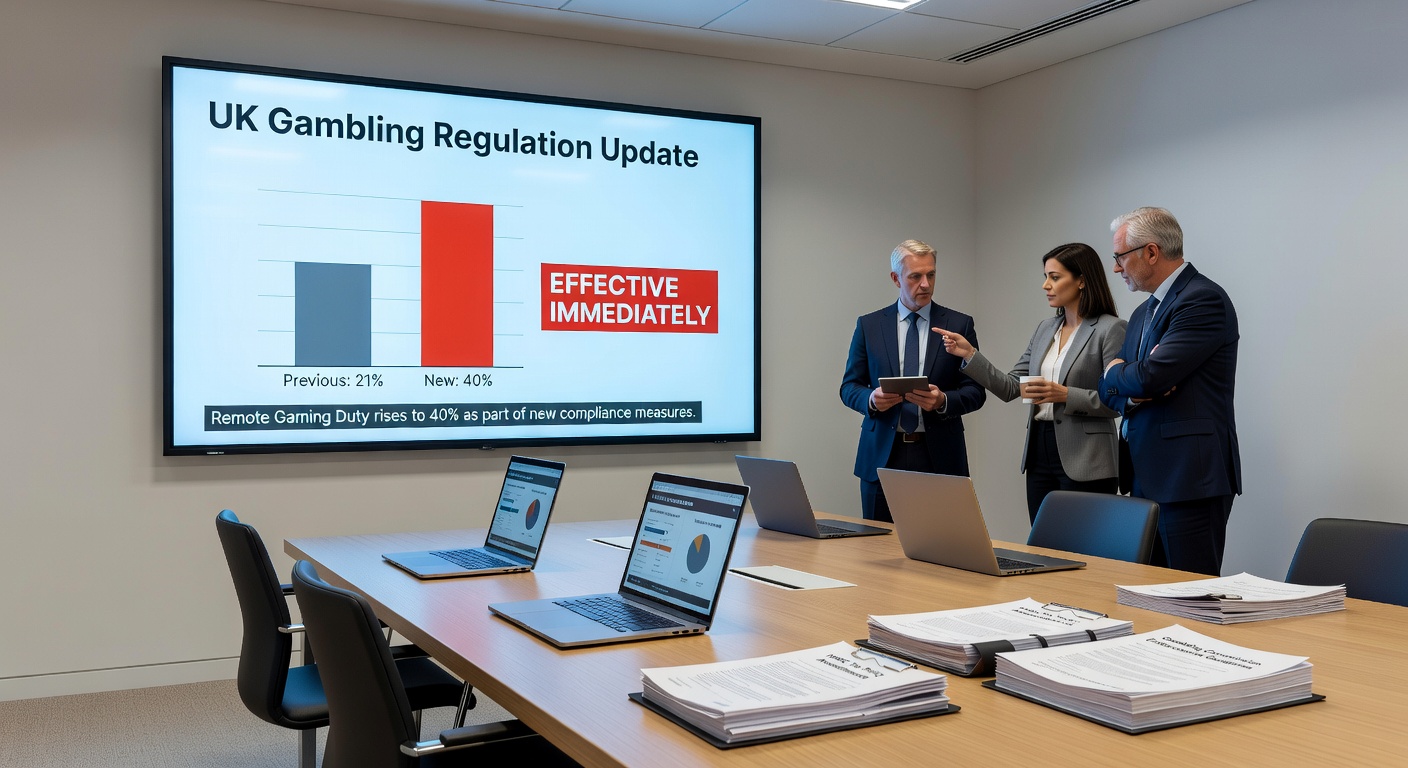
Stricter gambling rules roll out across the UK, targeting player protection while reshaping the casino sector in profound ways; the Remote Gaming Duty jumps from 21% to 40% starting April 2026, and alongside that, affordability checks, marketing curbs, and tougher anti-money laundering (AML) measures pile on compliance costs that hit smaller operators hardest. Those smaller firms, often family-run or niche players in the online and land-based casino space, scramble to keep up, lacking the deep pockets larger giants like Entain or Flutter Entertainment bring to the table for tech upgrades and legal teams. Data from industry watchers reveals how these changes, overseen by the UK Gambling Commission, aim to shield vulnerable players from harm, yet they accelerate a shakeout where closures loom large for the little guys.
Take one mid-sized online casino operator in the Midlands; they've already sunk thousands into software for real-time affordability assessments, only to face marketing blacklists that slash their customer acquisition by half, according to early reports. And as March 2026 approaches, with final implementation tweaks expected, operators gear up for audits that demand flawless records or risk hefty fines—fines that could spell the end for businesses operating on thin margins.
Unpacking the Remote Gaming Duty Hike
The Remote Gaming Duty (RGD), that key tax on online gambling profits derived from UK players, climbs sharply to 40% from its current 21% level effective April 2026, as outlined in official government announcements like the Changes to gambling duties document; this move, part of a broader fiscal strategy, pulls in extra revenue for the Treasury while operators recalibrate pricing and bonuses to offset the bite. Larger firms absorb the hit through economies of scale, negotiating bulk deals on payment processing and lobbying for exemptions, but smaller operators watch profit margins evaporate overnight, forcing some to hike player stakes or cut promotions just to stay afloat.
Figures indicate the duty applied to gross profits minus certain deductions, so with rising operational squeezes, net impacts multiply; one analyst crunching the numbers notes that for a operator turning over £5 million annually, the extra 19% translates to roughly £950,000 more in taxes yearly, cash that smaller shops simply don't have lying around. Yet compliance layers compound this, turning a tax tweak into a full operational overhaul.
Affordability Checks: The Hidden Cost Escalator
Affordability checks demand operators verify player spending against income and credit data before allowing high-stakes play, a process requiring integrations with credit agencies and AI-driven monitoring tools that cost upwards of £100,000 upfront for setup, plus ongoing fees; smaller casinos, without in-house IT crews, outsource this at premium rates, whereas big players build proprietary systems in-house, slashing per-user costs dramatically. Observers track how these checks, mandated by the UK Gambling Commission, flag risky behavior early—think pausing accounts after £500 losses in a session—but the admin burden delays payouts and frustrates casual players, driving some to unregulated offshore sites.
What's interesting here surfaces in case studies from firms like a Scottish online slots provider that shuttered two months after implementation pilots; they cited £250,000 in unrecoverable tech spends as the tipping point, especially since marketing restrictions now ban targeted ads to under-25s or loss-chasers, gutting lead generation pipelines that once fueled 60% of new sign-ups.
Marketing Restrictions and AML Measures Pile On
Marketing rules clamp down hard, prohibiting inducements like "free spins on losses" or VIP perks that lure problem gamblers back in, while demanding clear opt-out buttons and age-gated promotions; for smaller operators, whose budgets lean heavily on affiliate deals and social media blasts, this slashes visibility, with one survey showing a 40% drop in traffic post-rollout. Anti-money laundering efforts ramp up too, requiring enhanced due diligence on deposits over £2,000, transaction pattern scans, and reporting chains to the National Crime Agency—tasks that demand dedicated compliance officers, something only 20% of small operators currently employ full-time.
But here's the thing: larger conglomerates consolidate AML teams across brands, spreading costs thin, while independents fork over £50,000-plus annually for third-party software; add staff training mandates, and the math doesn't add up for those scraping by on 5-10% net margins. Turns out, industry data points to a 15% rise in compliance budgets across the board, but small firms shoulder 30% hikes relative to revenue, per Pound Sterling Live analysis.
Smaller Operators on the Brink: Closures and Consolidation Ahead
Smaller casino operators, defined as those with under £10 million turnover or fewer than 50 employees, face the brunt, with resources stretched thin across legal fees, software licenses, and retraining; experts who've tracked the sector for years observe patterns from past regs like the 2014 point-of-consumption tax, where 25% of independents merged or folded within two years. Now, as April 2026 nears, whispers of buyouts echo—think regional brick-and-mortar spots snapped up by online behemoths, leading to market consolidation where top-five firms could control 80% of remote gaming by 2028.
One notable case involves a London-based indie operator that pivoted to crypto-friendly models abroad, but UK ties forced divestiture; others hunker down, slashing staff or niches like live dealer games that barely break even under new scrutiny. And with March 2026 marking a key prep window for duty filings and check demos, urgency builds—missed deadlines mean license suspensions, pushing more toward the exit.
People in the know highlight how this favors scale: big operators invest in frictionless KYC (know-your-customer) via biometrics, turning compliance into a selling point, while small ones lag, losing trust and players in droves. It's not rocket science; the writing's on the wall for those without venture backing or private equity lifelines.
The UK Gambling Commission's Steady Hand
The UK Gambling Commission steers these reforms, enforcing the Gambling Act 2005 updates through licensing renewals and fines topping £20 million last year alone for non-compliance; their data underscores the rationale—over 400,000 problem gamblers identified yearly, with affordability tools credited for a 10% dip in high-risk sessions during trials. Yet enforcement tilts practical: grace periods end by Q2 2026, with spot audits ramping up from March, giving operators one last shot to digitize records or face revocation.
Commission reports stress player protection as core, mandating frictionless self-exclusion via GAMSTOP and spend caps tied to verified earnings; smaller operators applaud the intent but decry the execution, as retrofitting legacy platforms proves costlier than building from scratch.
Conclusion: A Shifting UK Casino Horizon
As the Remote Gaming Duty surges to 40% in April 2026 and compliance walls rise higher, smaller UK casino operators navigate a gauntlet of affordability checks, marketing straitjackets, and AML fortresses that larger rivals weather with ease; closures mount, consolidations accelerate, and the sector tilts toward giants, all under the watchful eye of the UK Gambling Commission bent on curbing gambling harm. Those tracking the beat see a leaner market emerge by year's end, where adaptability spells survival, and the ball lands squarely in operators' courts to innovate or fade. Data bears this out: early movers consolidate, laggards consolidate elsewhere—into history books.