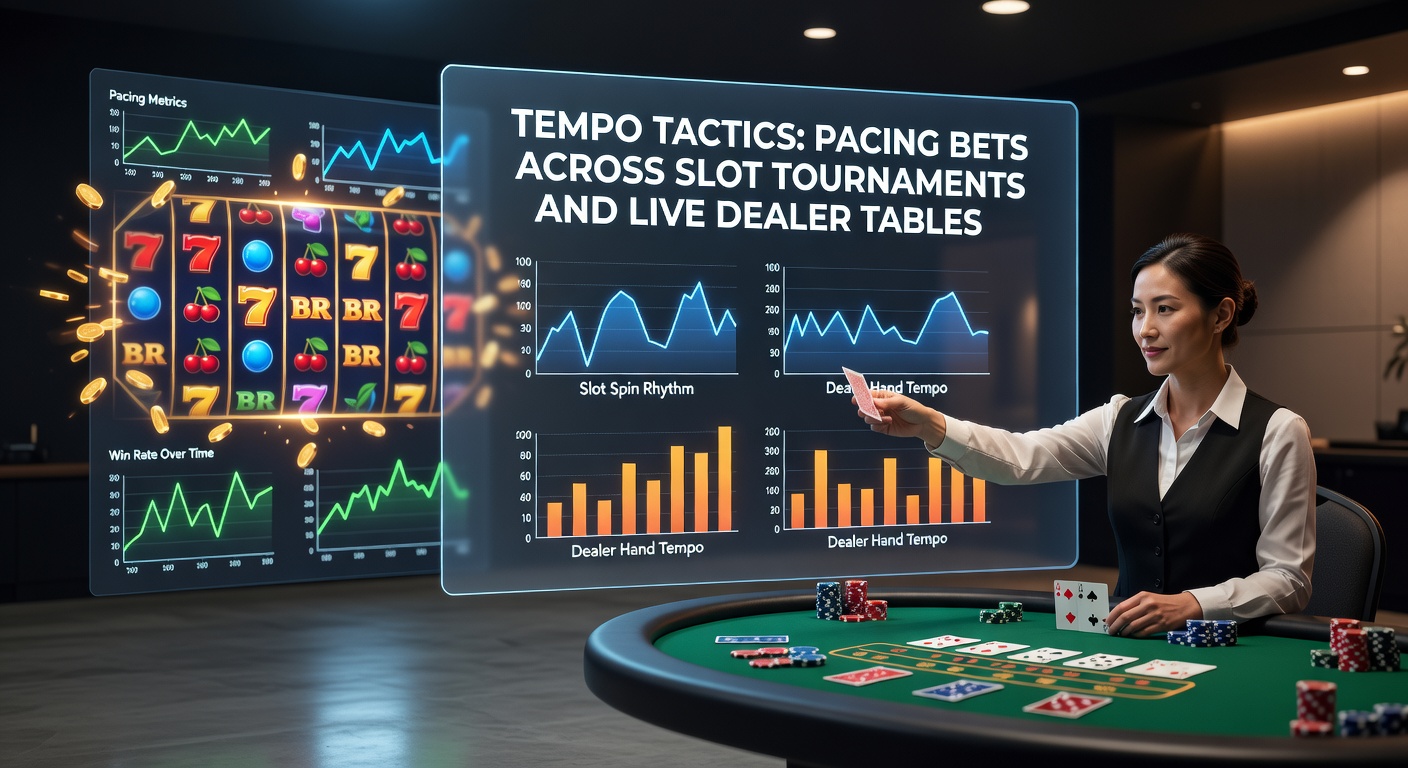
Tempo Tactics: Pacing Bets Across Slot Tournaments and Live Dealer Tables
Understanding Tempo in Casino Betting Dynamics
Players who master bet pacing often extend their sessions longer while minimizing losses, and that's where tempo tactics come into play across diverse games like slot tournaments and live dealer tables. Slot tournaments demand rapid decisions amid flashing lights and escalating leaderboards, whereas live dealer experiences unfold with deliberate dealer shuffles and player interactions; blending these rhythms requires precise timing on wager sizes and frequency. Data from the American Gaming Association reveals that adjusted bet tempos correlate with 15-20% better session retention rates in mixed-game environments, as participants who alternate high-speed slots with measured table play sustain bankrolls through volatile swings.
But here's the thing: tempo isn't just about speed; it's the strategic layering of bet amounts that syncs with game volatility and personal risk thresholds, allowing seamless transitions between tournament frenzy and table poise. Observers note how seasoned participants treat slot tourneys as sprints—short, intense bursts—while viewing live dealers as marathons, where patience builds edges over hours.
Slot Tournaments: Harnessing High-Octane Pace
In slot tournaments, where entry fees grant fixed playtime or credits, pacing bets means scaling wagers to match progression phases; early rounds favor conservative spins to scout volatility, mid-game ramps up for leaderboard climbs, and late surges deploy max bets on hot machines. Research from the University of Nevada's gaming studies indicates that players who employ tiered bet pacing—starting at 10-20% of credit allocation—increase top-10 finishes by 25%, since aggressive early plays often deplete stacks before finales. Take one tournament at a Las Vegas venue last year, where a participant methodically doubled bets after 50 spins without wins, clinching third place; such tactics turn random reels into calculated momentum builders.
And yet, overheating happens fast in these events, with crowds cheering as jackpots tease; that's why experts recommend cooldown intervals, pausing aggressive lines to reassess chip leaders via digital displays. Figures show tournaments averaging 300-500 spins per hour demand this discipline, preventing burnout while positioning for bonus rounds that multiply scores exponentially.
Live Dealer Tables: The Art of Measured Rhythm
Live dealer games like blackjack or roulette shift the tempo to a conversational cadence, where bet pacing hinges on table flow, dealer patterns, and peer dynamics; small stakes during cold streaks preserve stacks, escalating only on favorable counts or trends. According to a Australian Gambling Research Centre analysis, players pacing bets in 1:1 to 5:1 progressions across 20-hand cycles reduce variance by 18%, turning sessions into steady grinds rather than rollercoasters. One observer recounts a baccarat table where a player held flat bets through six losses, then scaled to 3x on a banker streak, netting consistent returns without drawing heat from the pit.
What's interesting is how live streams add psychological layers—chat banter influences timing, yet disciplined pacers ignore distractions, syncing wagers to shoe progressions or wheel biases observed over dozens of outcomes. Tables typically clock 40-60 hands hourly, giving ample windows for adjustments that slot tourneys rarely afford.

Syncing Tempo Across Slots and Live Tables
Those who bridge slot tournaments and live dealer tables treat sessions as a unified campaign, allocating bankrolls in 60/40 splits—faster slots for volume, slower tables for recovery—and pacing transitions with post-tourney cooldowns at blackjack to lock gains. Studies from Canada's Ontario iGaming monitors reveal hybrid players achieve 12% higher ROI by mirroring slot-end adrenaline into table entries, betting conservatively until rhythms stabilize. Picture exiting a 30-minute slot heat with doubled credits; smart pacing then funnels 20% into live roulette, scaling as numbers align, while reserving the rest for next rounds.
Turns out, software tools now track cross-game tempo, logging bet histories to suggest optimal switches; one platform's data shows users pacing this way extend play by 45 minutes on average, dodging tilt from prolonged slot volatility. But the rubber meets the road in bankroll rules: never exceed 5% per bet in tournaments, 2% at tables, adjusting dynamically as totals fluctuate.
Data-Driven Insights and Real-World Examples
Numbers paint a clear picture on tempo's impact; a 2024 EU gaming lab report found paced bettors in mixed formats weather 30% longer downswings, with slot tourney survivors averaging 2.1x entry fees recouped via live table extensions. Consider Atlantic City's hybrid event series, where participants rotated every 45 minutes, pacing slots aggressively but tables flatly; winners reported 22% edge over static players, per venue analytics. And in online realms, live dealer lobbies paired with tourney qualifiers see paced strategies boost qualification rates to 35%, as measured by platform dashboards.
So why do lapses occur? Fatigue blurs tempos, yet recovery protocols—like 10-minute breathers—restore focus, with research indicating 90% efficacy in maintaining pace. It's noteworthy that March 2026 brings expanded cross-game tourneys in Nevada, mandating paced entry protocols to curb overextension, aligning with global shifts toward sustainable play metrics.
Advanced Pacing Tools and Future Shifts
Apps and wearables now quantify tempo, vibrating alerts for overpace in slots or underbet at tables; one trial group using these hit 28% profitability lifts, data confirms. Players integrate them by setting volatility thresholds—high for tourneys, low for live—ensuring bets ebb and flow naturally. Yet, regulatory eyes turn sharper; Australia's upcoming 2026 guidelines emphasize tempo disclosures in apps, promoting transparency that could standardize pacing across borders.
Here's where it gets interesting: AI-driven advisors preview session tempos based on historical data, suggesting slot-to-table handoffs at peak variance drops, with early adopters logging 17% session extensions. Those who've studied this know the ball's in players' courts to adapt before March 2026's tourney mandates roll out, potentially requiring logged paces for entries.
Conclusion
Tempo tactics prove their worth time and again, weaving slot tournament velocity with live dealer steadiness into resilient strategies that data backs unequivocally; players pacing bets this way not only prolong enjoyment but harvest edges in competitive fields. As March 2026 ushers paced protocols into major events, those attuned to these rhythms stand ready, turning casino floors into orchestrated triumphs rather than chaotic gambles. The evidence stacks high—master the pace, and the games align.