
Tracing Asset Flows in Multi-Game Casino Landscapes: Slots to Tables to Markets
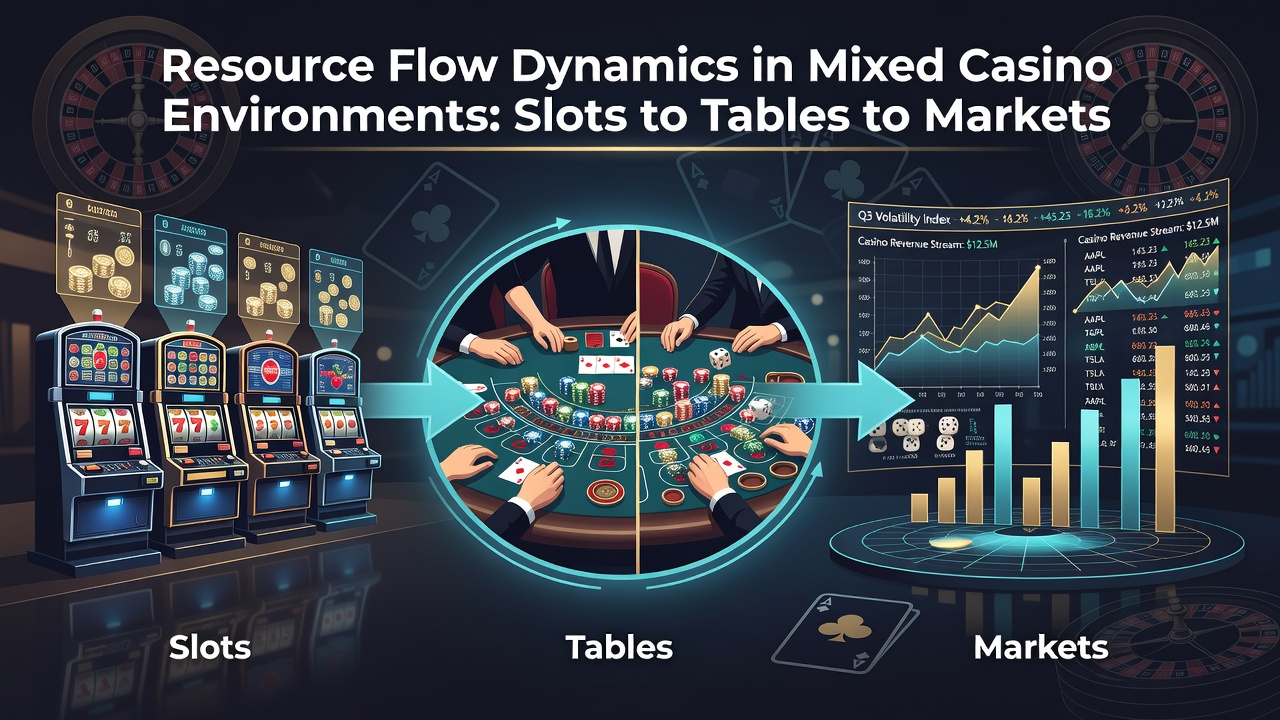
Data from integrated gaming facilities shows that player funds often originate in slot play before shifting toward table games and then into broader betting markets; this pattern emerges because many venues structure bonuses and loyalty rewards to encourage initial engagement with electronic machines. Observers note that August 2026 regulatory updates in several jurisdictions have required clearer tracking of these movements, prompting operators to adjust how promotional credits transfer across formats.
Initial Resource Entry Through Slot Machines
Slot floors typically serve as the entry point for many participants, where free spins and deposit matches create starting capital that later supports other activities. Research from the University of Nevada Las Vegas International Gaming Institute indicates that players who begin sessions on reels frequently convert a portion of winnings into table game buy-ins within the same visit. These transitions occur because slot payouts provide liquid assets that feel readily available for different risk levels at felt tables, and operators design progressive systems to reward cross-format activity.
Venues report that slot-driven bankrolls account for measurable percentages of table game drop in mixed environments. Electronic machine jackpots, once claimed, tend to split between cash withdrawal and continued play, with the retained portion flowing toward blackjack or roulette pits at higher rates during peak evening hours. Such patterns hold across multiple properties because slot volatility delivers intermittent larger sums that align with minimum table stakes.
Shifts From Reels to Felt Surfaces
Once resources reach table areas, pacing changes because live dealer interactions introduce different decision intervals compared with automated spins. Studies tracking session data reveal that participants often allocate slot-derived funds into shorter table bursts before reallocating again, especially when early wins occur at the tables. This movement reflects how players adjust exposure based on immediate outcomes rather than fixed plans.
Integrated loyalty programs accelerate these flows by awarding points that apply equally across machine and table play, reducing friction when users decide to switch. Casino analytics teams observe that mid-week traffic shows steadier reel-to-table transfers than weekend peaks, where larger crowds dilute individual movement visibility. In August 2026, several North American properties introduced digital wallet features that make these reallocations visible in real time to both players and compliance staff.
Extension Into External Market Wagers
From table games, remaining balances commonly migrate toward sportsbooks or race books when facilities offer them under one roof. Figures released by the Nevada Gaming Control Board demonstrate consistent upticks in sportsbook handle following strong table game performance in the same property, suggesting direct capital carryover. Players convert chips back to cash or digital credits that then fund event bets, creating a chain that spans electronic, live, and event-based products.
Geographic variation appears in these flows; Australian venues regulated by state commissions show similar reel-to-table-to-sportsbook sequences, though timing differs due to local wagering restrictions. Industry reports compiled by the Canadian Gaming Association highlight that integrated resorts experience higher cross-product retention when digital apps allow seamless balance transfers without repeated cash handling. August 2026 data collections in multiple regions aim to quantify these sequences more precisely as operators implement unified account systems.
Operational Factors Influencing Flow Rates
Layout design affects how readily resources move between sections, with adjacent slot banks and table pits correlating to faster transitions in observational studies. Promotional calendars also shape timing: free play offers tied to table game volume draw slot players toward felt areas during specific windows, while sportsbook odds boosts pull table winnings outward. Staff training protocols now include guidance on recognizing when guests appear ready to shift formats, though actual decisions remain player-driven.
Technology integration further smooths movement because mobile apps and kiosk systems allow balance checks across all offerings without leaving the floor. Properties that maintain single-wallet architectures report reduced drop-off between formats compared with venues requiring separate funding steps for each category. External economic conditions, such as regional employment trends, influence overall volumes entering the system but do not alter the observed sequence patterns once funds are inside the venue.
Conclusion
Resource movement across slots, tables, and markets follows measurable sequences shaped by game mechanics, reward structures, and venue technology. Regulatory attention in 2026 has focused on accurate recording of these flows to support responsible play measures and tax reporting. Continued data collection from diverse jurisdictions will clarify how these dynamics evolve as integrated environments expand their digital capabilities.